
Dental malpractice insurance provisions determine more than whether a practice carries professional liability coverage. The employment agreement can assign responsibility for premiums, deductibles, policy limits, reporting duties, and coverage after the dentist leaves. A clause stating only that the employer will “provide malpractice insurance” does not answer the questions that usually create the largest financial risk.
The policy structure changes what happens at termination. Occurrence coverage generally follows covered services performed during the policy period, while claims-made coverage can require tail insurance or replacement coverage with prior-acts protection. If the agreement requires the associate to purchase tail coverage after resigning, a job change can trigger a substantial expense at the same time the dentist is moving to a new practice.
Chelle Law reviews how the insurance clause works with the policy, termination section, indemnification language, and incorporated practice documents. The review addresses the coverage type, insured parties, limits, exclusions, deductibles, tail obligation, defense control, and responsibility for uninsured losses. Dentists can then see which costs are fixed, which obligations depend on how employment ends, and which terms may warrant clarification or revision before signing.
Key Takeaways
- The policy type determines whether coverage can follow services performed during employment or whether additional reporting coverage may be needed after departure.
- A claims-made policy can leave the dentist responsible for expensive dental tail coverage unless the contract assigns that cost to the employer or another policy supplies prior-acts protection.
- Premiums are only one part of the cost. Deductibles, self-insured amounts, exclusions, and indemnification can shift additional liability to the associate.
- Tail responsibility may change depending on whether the dentist resigns, is terminated for cause, is terminated without cause, or completes the contract term.
How the Policy Structure Controls Post-Employment Risk
Occurrence and Claims-Made Coverage

Occurrence coverage generally applies to covered incidents arising from professional services performed while the policy was in effect, even if the patient makes the claim later. The dentist still must comply with the policy’s reporting terms, exclusions, limits, and other conditions, but the end of employment does not ordinarily create the same extended-reporting issue associated with claims-made coverage.
A claims-made policy generally requires the claim to be made while qualifying coverage is active and may also use a retroactive date that limits which earlier services are covered. If the dentist leaves and the policy ends, later-reported claims may fall outside the policy unless tail coverage or qualifying prior-acts coverage applies. The contract therefore needs to identify the policy type instead of leaving the associate to discover it after notice has been given.
Coverage also remains subject to policy-specific exclusions and endorsements. Intentional misconduct, criminal acts, services outside the coverage period, and certain procedures may be excluded. Chelle Law compares those provisions with the employer’s contractual promises and the broader malpractice coverage terms dentists commonly encounter.
Tail Insurance and Prior-Acts Protection
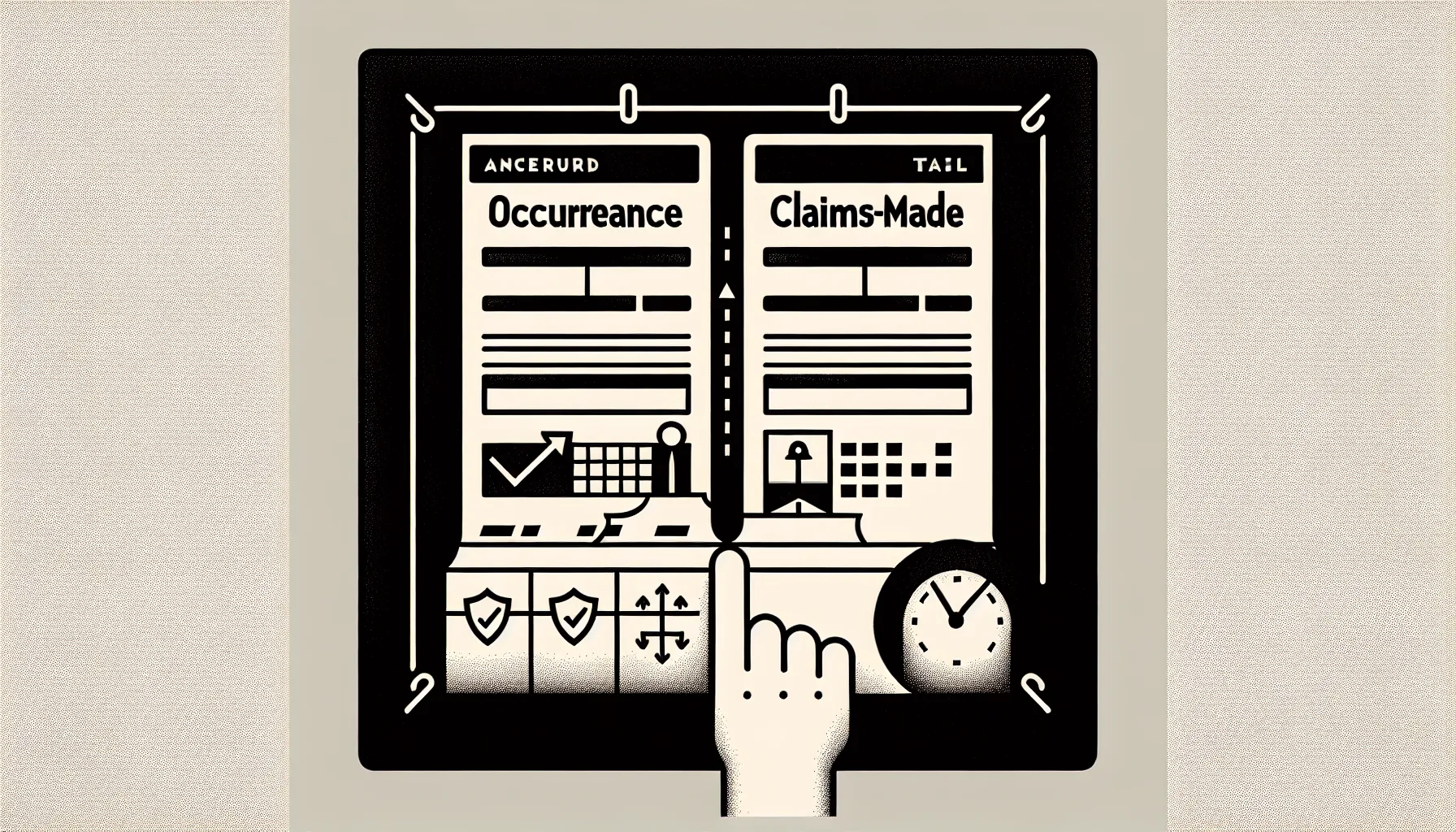
Tail insurance, also called extended reporting coverage, permits certain claims to be reported after a claims-made policy ends for services performed while that policy was active. Tail coverage does not convert the policy into occurrence coverage or cover new services performed after departure. It extends the reporting period subject to the policy’s terms.
Prior-acts coverage can sometimes address earlier services when a dentist moves to a new claims-made policy. Whether that option works depends on the new policy’s retroactive date, the covered services, and any exclusions. A contract that simply permits “nose coverage” without defining acceptable replacement protection can leave the dentist uncertain about what must be purchased and when proof must be delivered.
The practical question is direct: if I leave in two years, who pays to protect the work I performed here? The answer may depend on the termination trigger, the employer’s group policy, and whether the next carrier accepts the prior exposure. Those terms need to be read together before the dentist accepts responsibility for an open-ended post-employment cost.
Costs and Liability Assigned by the Contract
Premiums, Limits, Deductibles, and Insured Status
A practice may pay the premium directly, reimburse the dentist, require an individual policy, or deduct insurance expenses from compensation. Each arrangement produces a different result. If reimbursement is available only after the dentist submits proof by a deadline, missing that deadline can turn an employer-funded benefit into an associate expense.
- Policy limits: The documents need to identify the per-claim and aggregate limits or provide a reliable way for the dentist to verify them.
- Premium responsibility: The contract may assign the full premium to one party, divide it, or make reimbursement conditional on continued employment.
- Deductibles and self-insured amounts: A clause allowing the practice to charge these amounts to the dentist can create costs even when the employer pays the premium.
- Insured status: The policy and agreement need to address whether the dentist is properly covered for the services performed on behalf of the practice.
These provisions cannot be evaluated one at a time. An employer-paid premium offers limited comfort if the associate must pay a large deductible for each claim, reimburse the employer after termination, or purchase tail coverage immediately upon departure. A complete cost analysis follows every payment trigger through the end of the relationship.
Indemnification and Control of the Defense
The malpractice policy defines what the insurer covers. The employment contract can create separate duties between the dentist and the practice. A broad indemnification clause may require the associate to defend the employer or reimburse losses that the insurer excludes, denies, or pays only in part.
- Scope of indemnification: Does the obligation apply only to the dentist’s negligence, or does it extend to broader claims involving the practice?
- Defense expenses: Can the employer demand payment for counsel or other costs outside the insurance policy?
- Settlement authority: Who controls settlement decisions, and does the dentist have any consent right?
- Cooperation duties: Does the clause require reasonable assistance, or can it impose continuing travel, time, and expense obligations after employment?
If the contract requires indemnification for an excluded claim, the dentist may owe the practice even though the insurer owes nothing. Chelle Law compares the indemnification clause, defense language, and policy exclusions so that an apparently routine insurance provision is not evaluated in isolation.
How Termination Changes the Insurance Obligation
Departure Triggers, Deadlines, and Proof of Coverage
Tail responsibility often turns on how the contract ends. The employer may pay after a without-cause termination but assign the cost to the dentist after resignation or termination for cause. Other agreements use a service-based formula, such as shifting more of the cost to the practice after the associate completes a stated period of employment.
The trigger must match the termination section. If a broadly drafted cause provision lets the employer characterize an ordinary dispute as cause, it can also change who pays for tail coverage. The dentist may face both immediate job loss and an insurance expense unless the cause definition, cure period, and tail clause are read together.
Post-employment language may set a short deadline to buy tail coverage, require proof from an approved carrier, authorize the practice to purchase coverage and bill the dentist, or permit an offset against final compensation. Those obligations need to be coordinated with the notice period and other dental contract termination provisions. The dentist should know when coverage ends, when payment is due, and whether the practice can deduct the amount from money otherwise owed.
What Chelle Law Reviews in the Contract and Policy
Insurance Documents and Incorporated Practice Policies
The employment agreement may not contain every controlling insurance term. The policy declarations, endorsements, certificate of insurance, employee handbook, and practice policies can supply limits, exclusions, reimbursement rules, or reporting duties. If the contract incorporates those documents by reference, the dentist may be accepting obligations that do not appear in the signature document.
Chelle Law evaluates whether the documents identify the coverage type, retroactive date when applicable, insured parties, limits, deductibles, exclusions, premium allocation, tail requirement, and reporting process. The review also looks for language allowing the employer to change the carrier, reduce coverage, increase the dentist’s share of costs, or revise an incorporated policy without the dentist’s consent.
Common red flags include claims-made coverage with no tail allocation, a vague promise to provide “standard” insurance, deductibles charged to the dentist without a cap, and indemnification broader than the available coverage. These issues are often addressed as part of a complete dental associate contract review because compensation, termination, and malpractice provisions can trigger one another.
When to Request a Dental Malpractice Insurance Review
Malpractice language deserves review before a dentist signs an associate, employment, independent contractor, DSO, or partnership agreement. The need is especially clear when the contract uses claims-made coverage, assigns tail insurance to the dentist, contains broad indemnification, permits payroll deductions, or does not disclose the policy limits and exclusions.
- The offer says the practice provides coverage but does not identify whether the policy is claims-made or occurrence-based.
- The dentist must purchase tail coverage after resignation, termination for cause, or failure to complete the initial term.
- The employer can charge deductibles, defense expenses, or uninsured losses to the associate.
- The agreement incorporates insurance policies or handbooks that have not been provided.
- The practice can change the coverage or allocate additional insurance costs during employment.
A dentist who understands these clauses before signing can compare the offer’s stated benefits with the actual risk allocation. Chelle Law can review the malpractice section on its own or together with compensation, restrictive covenant, and termination terms in the full employment agreement.
Frequently Asked Questions
What does a dental malpractice insurance review include?
The review addresses the policy type, limits, deductibles, exclusions, retroactive date when applicable, prior-acts protection, tail obligation, premium responsibility, indemnification, defense provisions, and post-employment duties. It also considers whether the employment agreement conflicts with or leaves gaps in the available policy information.
How do claims-made and occurrence policies differ?
Occurrence coverage generally applies to covered incidents arising from services performed during the policy period, even when the claim is made later. Claims-made coverage generally requires a claim to be made while qualifying coverage is active and may depend on a retroactive date. When claims-made coverage ends, tail insurance or acceptable prior-acts coverage may be needed for later-reported claims.
What does dental tail insurance cover?
Tail insurance extends the reporting period for certain claims involving services performed while a claims-made policy was active. It does not cover new dental services performed after the original policy ends, and its protection remains subject to the policy’s limits, exclusions, and other terms.
Who pays for a dentist’s tail coverage after employment ends?
The answer depends on the contract. The employer may pay, the dentist may pay, the parties may divide the cost, or responsibility may change based on resignation, termination for cause, termination without cause, or completion of a service period. The agreement also may allow prior-acts coverage instead of a separate tail policy.
Can indemnification create liability beyond the malpractice policy?
Yes. An indemnification clause can require the dentist to defend the practice or reimburse losses that the insurer excludes, denies, or does not pay in full. The scope of indemnification, defense costs, settlement control, and policy exclusions need to be compared directly.
When should a dentist have malpractice provisions reviewed?
A dentist can request review before signing or renewing an agreement, especially when the policy is claims-made, tail responsibility is unclear, deductibles can be charged to the associate, or the contract contains broad indemnification. Review is also useful before departure when termination may trigger a tail purchase, reimbursement duty, or proof-of-coverage deadline.
Understand Your Dental Malpractice Obligations Before You Sign
Chelle Law can review the coverage type, tail requirement, deductibles, indemnification, and termination triggers in your dental contract so you know which costs and liabilities the agreement assigns to you.
Request a Dental Contract ReviewExplore More Dental Contract Guidance
Review related legal services, practical dental contract resources, and state-focused guidance before accepting an agreement.