
Dentists often join a practice expecting a steady draw or guaranteed salary, only to discover after the first few pay periods that the money is less secure than the recruiting conversation suggested. Terms such as “draw,” “guarantee,” “reconciliation,” and “clawback” may be used interchangeably in conversation, but they can create very different financial obligations when written into an employment agreement.
A draw is generally an advance against future compensation, while a guarantee is intended to establish minimum pay for a defined period regardless of production. The distinction matters because a recoverable draw can leave an associate with a negative balance, reduced future pay, or a repayment demand after departure. Understanding the underlying formula is therefore as important as understanding the headline compensation number. Our guide to dental associate compensation explains how production, collections, and other pay components commonly fit together.
Problems usually arise when the written agreement subjects an apparent guarantee to reconciliation, refunds, lab expenses, managerial discretion, or termination-related repayment. Chelle Law reviews these provisions to determine how compensation is calculated, what may be deducted, when a balance becomes repayable, and whether the written terms match the offer presented to the dentist. This article explains the recurring contract language and practical consequences we see in dental agreements; it is general information rather than legal advice for a particular dispute.
Key Takeaways
- A payment labeled as a guarantee may operate as a recoverable dental draw if the contract includes reconciliation, clawback, or broad managerial-discretion language.
- The agreement should identify whether compensation is based on production or actual collections and explain how refunds, remakes, lab fees, and other adjustments affect the calculation.
- Defined guarantee periods, short reconciliation windows, written calculation rules, and limits on recoverable amounts can reduce financial uncertainty.
- Dentists should preserve paystubs, production and collection reports, offer emails, and written compensation explanations if a deduction or repayment demand arises.
- Termination provisions deserve close attention because resignation or termination may accelerate an otherwise deferred repayment obligation.
The Difference Between a Dental Draw and a Pay Guarantee
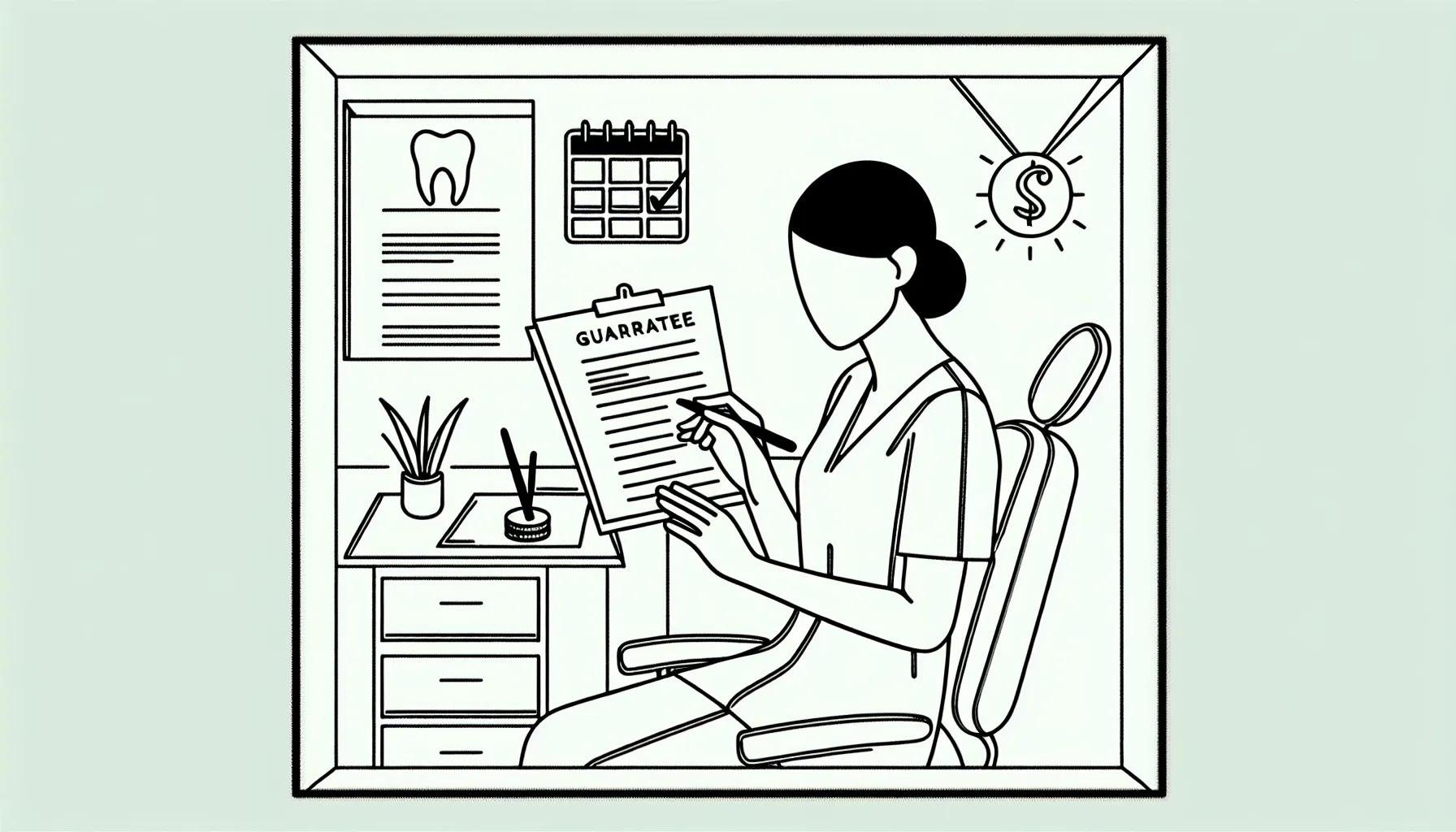
A draw provides regular payments while the practice waits for the associate’s production or collections to support compensation under the contract formula. If the draw is recoverable, the employer may compare what it paid with what the associate earned and carry forward, deduct, or demand repayment of a shortfall. A true guarantee instead establishes a minimum amount the associate receives during a specified period without ordinary retroactive recovery.
Labels alone do not control how the arrangement works. An agreement may call compensation a “guaranteed salary” while requiring monthly reconciliation against production, collections, refunds, or expenses. Conversely, a fixed draw may provide meaningful protection if the contract expressly states that deficiencies are forgiven and cannot be carried forward. Dentists should read the compensation section together with definitions, deduction provisions, termination terms, and any incorporated policies.
A common mismatch occurs when recruiting materials or verbal discussions describe guaranteed compensation but the signed contract makes each payment contingent. Associates may not recognize the discrepancy until a negative balance appears on a compensation statement or the practice seeks repayment after employment ends. Any important assurance about non-recovery should appear in the written agreement rather than remain an informal promise.
Contract Terms That Can Make a Guarantee Recoverable
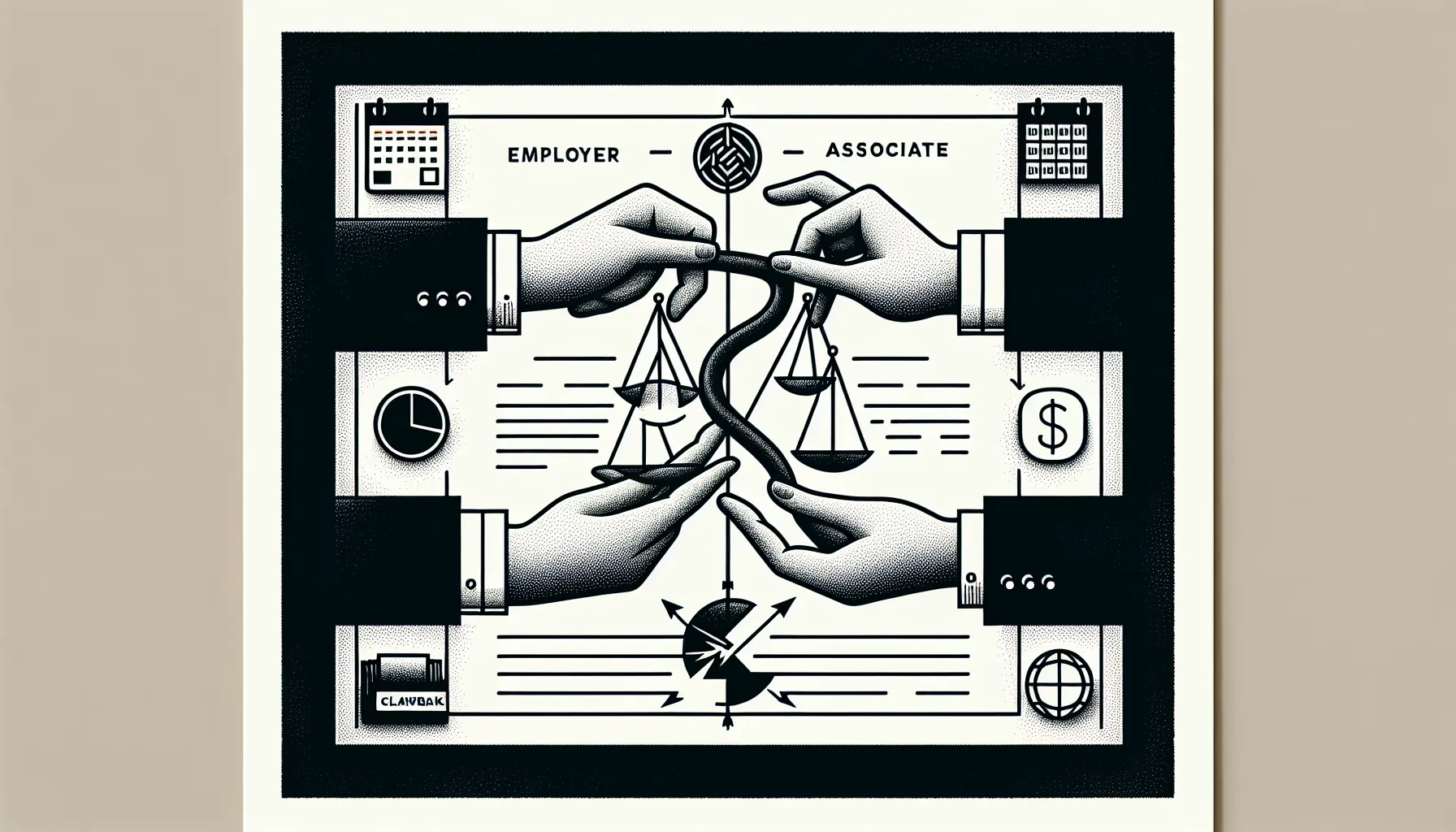
Practices use recoverable draws for several business reasons. Patient payments may arrive well after treatment, production can fluctuate, and refunds or remakes may affect revenue months later. Reconciliation gives the employer a way to manage that timing risk, but it also shifts part of the practice’s cash-flow uncertainty to the associate. That allocation is usually an intentional contract choice rather than a payroll error.
Reconciliation Formulas, Offsets, and Deductions
A reconciliation clause compares compensation already paid with compensation earned under a stated formula. The agreement should make clear whether the formula uses gross production, adjusted production, net production, or actual collections. It should also explain when an account receives credit, how patient refunds and insurance adjustments are treated, and whether negative balances carry into later periods. Separate dental productivity rules may also affect whether the associate qualifies for additional pay.
Broad offset language can permit deductions for refunds, chargebacks, remakes, supplies, or other practice expenses. Lab costs require particular attention because the contract may deduct all or part of those expenses before applying the associate’s percentage. Reviewing the agreement’s lab fee deduction terms helps reveal whether the stated compensation percentage reflects what the dentist will actually receive.
- Collections definitions: Determine whether the formula credits only cash received and how insurance write-offs, refunds, and patient credits affect the total.
- Reconciliation timing: Identify whether calculations occur monthly, quarterly, at termination, or during a lengthy post-employment window.
- Expense allocation: Confirm which lab fees, supply costs, remakes, and administrative charges may reduce compensation.
- Negative balances: Check whether a deficiency is forgiven, carried forward, withheld from future pay, or treated as a debt.
Managerial Discretion, Clawbacks, and Termination Triggers
Language allowing the practice to adjust or withhold compensation in its sole discretion can undermine an apparent guarantee. The risk increases when the agreement incorporates compensation policies that the employer may revise outside the signed contract. Dentists should determine whether a policy merely administers an established formula or gives the practice authority to change material pay terms.
Clawback provisions create a direct repayment obligation after specified events. They commonly apply to signing bonuses, relocation assistance, retention payments, or advances, but some agreements extend them to base compensation deficiencies. These obligations may be accelerated by resignation, termination for cause, or the end of employment. Because departure can affect both final compensation and repayment, the draw language should be reviewed alongside the contract’s termination provisions.
How Recoverable Draws Affect a Dentist in Practice
Payroll Shortfalls, Refunds, and Retroactive Adjustments
Consider an associate who receives a $6,000 monthly draw while compensation is calculated from collections. If collections remain below the amount advanced, the practice may record a deficiency each month and later deduct the cumulative balance from incentive compensation or a final paycheck. The economic impact depends on whether the contract forgives deficiencies, carries them forward indefinitely, or requires direct repayment.
Patient refunds and remakes can produce similar surprises. A procedure may initially generate production or collections credit, only for the practice to reverse that credit months later after a refund, insurance adjustment, or no-charge remake. A long reconciliation window lets those events affect compensation already paid. Clear timing rules help the associate understand when a pay period is final and when the practice may reopen it.
Departure, Multiple Locations, and Corporate Accounting
A repayment issue often becomes visible when the dentist resigns or is terminated. The practice may conduct a final reconciliation, accelerate an outstanding balance, or delay the last production payment until collections are complete. An associate who budgeted around a guaranteed amount can therefore face reduced final compensation and a separate demand for money after leaving.
Multi-location groups and DSOs may add another layer because centralized accounting can allocate lab expenses, supply costs, refunds, or other charges to the associate’s ledger. The employment agreement should explain which entity calculates compensation, whether production from every assigned location is combined, and how the dentist can verify the data. Dentists considering a group arrangement may also benefit from reviewing the broader DSO employment contract issues that can affect compensation administration.
Contract Protections to Request Before Signing
The goal of a guarantee is predictable compensation while the dentist builds a patient base and becomes established in the practice. That purpose is weakened when the agreement leaves the calculation, recovery rights, or guarantee period uncertain. The following drafting points can make the financial arrangement easier to evaluate:
- A defined guarantee period: State the beginning and ending dates and whether the minimum payment is nonrecoverable during that period.
- Objective reconciliation mechanics: Identify the compensation base, calculation method, included adjustments, reporting schedule, and responsible party.
- A limited reconciliation window: Establish when each period becomes final instead of permitting adjustments many months later.
- Caps on recoverable amounts: If repayment is permitted, define its maximum amount and the circumstances that trigger it.
- Expense carve-outs: Specify which lab, supply, staffing, or operating expenses remain the practice’s responsibility.
- Written notice and supporting reports: Require an itemized calculation before the practice deducts compensation or demands repayment.
- Clear departure treatment: Explain how pending collections, negative balances, and final compensation are handled after termination.
Signing and relocation payments should be evaluated separately from the draw because each may have its own repayment schedule. A dentist should confirm whether repayment declines over time, which departure events trigger it, and whether multiple obligations can become due at once. The same careful review applies to other dental bonus repayment terms.
What to Do When a Draw Is Reduced or Clawed Back
If a payment is reduced, withheld, or subjected to a clawback, begin by preserving the record. Save the signed agreement, offer letter, compensation policies, paystubs, production and collection reports, emails, and written confirmations about the guarantee. These materials can help distinguish a calculation error from a disagreement about what the contract permits.
- Request an itemized explanation: Ask the practice or HR representative to identify the contractual provision, reporting period, revenue data, and each deduction used.
- Compare the source records: Determine whether the practice used production or collections and whether refunds, write-offs, lab fees, or other entries match the contract.
- Review the timing: Confirm that the reconciliation occurred within any contractual notice or calculation period.
- Use the available escalation process: Depending on the organization, unresolved questions may be raised with the owner, practice manager, regional operations lead, HR department, or a neutral mediator.
- Evaluate conduct carefully: Continuing to work, disputing a deduction, or considering resignation can each have contractual and operational consequences.
A focused dentist employment contract review can clarify whether the payment is a true guarantee, how the reconciliation formula operates, and what termination does to an alleged balance. Reviewing these terms before signing is preferable, but the contract and supporting compensation records can also be evaluated after a disputed deduction appears.
Frequently Asked Questions
How can a dentist tell whether a pay guarantee is truly guaranteed?
Read beyond the compensation label and check whether the agreement permits reconciliation, carry-forward deficits, offsets, withholding, or repayment. A stronger guarantee identifies a fixed period and states whether ordinary production or collection shortfalls can be recovered from the dentist.
Can a dental practice reconcile a draw against collections?
The contract may authorize reconciliation against collections, but the agreement should define which receipts count, when they are credited, and how refunds or adjustments are handled. The specific written formula determines whether a collection shortfall creates a balance.
Can lab fees reduce a dentist’s guaranteed compensation?
Lab fees may reduce compensation if the agreement includes them in the compensation formula or permits them as deductions. The contract should identify which fees apply, the dentist’s allocated percentage, and whether those expenses affect the guarantee itself.
What happens to a recoverable draw when a dentist leaves?
Departure may trigger a final reconciliation, withholding from remaining compensation, or repayment of an outstanding deficit. The result depends on the termination, final-pay, reconciliation, and clawback provisions in the signed agreement.
What records should a dentist keep after a draw deduction?
Keep the signed contract, offer documents, compensation policies, paystubs, production and collection reports, relevant emails, and the practice’s itemized reconciliation. These records help identify the source of each adjustment and whether it follows the written formula.
When should a dentist have draw or guarantee language reviewed?
Review is most useful before signing, when unclear definitions, repayment rights, and reconciliation periods may still be addressed. It can also help after a deduction or clawback by clarifying how the existing contract applies to the practice’s calculation.
Understand Whether Your Dental Pay Guarantee Is Secure
Chelle Law reviews draw, reconciliation, deduction, clawback, and termination provisions so dentists can understand how promised compensation may operate in practice.
Contact Chelle Law