
Dental associates sometimes continue providing care under the same written agreement only to learn that the practice has increased its productivity expectations. The new target may involve production, collections, patient volume, scheduling, write-offs, or additional duties, even though the compensation formula and other contract terms appear unchanged. That mismatch can create immediate uncertainty about pay, performance evaluations, and whether the practice expects the associate to accept a material change without a formal amendment.
The issue matters because a higher target can affect more than a monthly production report. It may reduce take-home pay, expand the schedule, influence clinical decision-making, or affect future partnership and buy-in eligibility. The financial impact can be difficult to identify when the change is implemented through office policy, payroll practices, or verbal instructions rather than a revised agreement.
A careful response begins with the contract, the practice’s written policies, and the associate’s production and payroll records. Chelle Law reviews how the agreement defines compensation, productivity credit, deductions, policy changes, notice, and amendment procedures. This guide explains why practices raise expectations, how those changes commonly appear, what to document during the first 72 hours, and when the pattern may warrant outside contract review.
Key Takeaways
- Compare any new productivity directive with the written agreement to determine whether it changes a defined formula, notice requirement, or contractual protection.
- During the first 72 hours, document conversations, preserve production ledgers and pay stubs, and request written clarification without making immediate concessions.
- Ask the practice to define production or collections calculations, allowable write-offs, deductions, patient credit, and whether the new rules will apply retroactively.
- Consider requesting a temporary written arrangement that keeps the existing pay formula in effect while the parties review a proposed amendment.
- Outside review may be appropriate when compensation is reduced retroactively, unexplained deductions appear, or the change conflicts with clear contract language.
Why Dental Practices Increase Productivity Expectations

Management or ownership may shift expectations because of slow months, new ownership, changing corporate targets, pressure to increase profitability, or an effort to standardize metrics across locations. In many agreements, compensation language is flexible and refers to production, collections, or “reasonable expectations.” Other contracts incorporate changing practice policies. That language can leave room for operational adjustments, but it can also make the boundary between a policy change and a contract change difficult to identify.
Higher expectations can change take-home pay, expand the schedule, reduce clinical autonomy, and influence future ownership opportunities. Associates paid a percentage of production or collections may receive less even when their clinical output remains steady if the practice changes how procedures are credited, excludes more write-offs, or adds deductions. Understanding the underlying dental compensation model is therefore essential before evaluating whether the new target is realistic or financially harmful.
How Unannounced Productivity Increases Affect Dentists
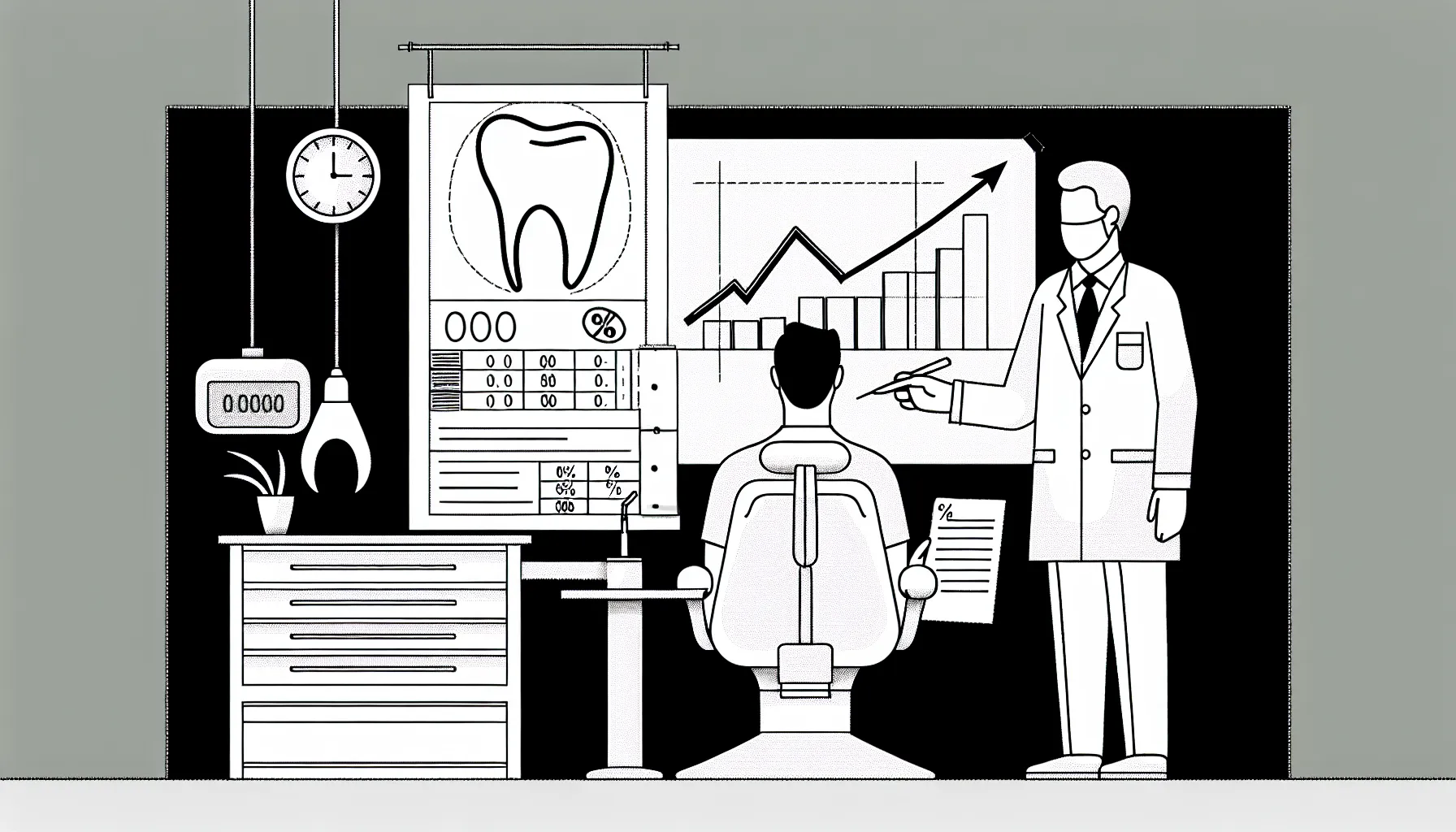
Productivity changes do not always appear as a single new quota. They may emerge through payroll calculations, scheduling decisions, patient-credit rules, or revised office expectations. Recurring patterns include:
- Higher production or collections thresholds: Management raises the amount required to earn a percentage or bonus without amending the compensation schedule or providing written notice.
- Tighter write-off and discount rules: Previously accepted write-offs, insurance adjustments, or in-house discounts no longer count toward credited production.
- Expanded schedules or duties: Additional emergency coverage, longer hours, administrative work, or other responsibilities become part of the practice’s “normal expectations” without corresponding compensation changes.
- New chargebacks and withholdings: Lab fees, remakes, refunds, or other costs are deducted in ways that were not previously applied or described.
- Changes to patient credit: The practice changes which provider receives production credit for shared, crossover, hygiene, or referred patients.
These changes frequently arrive verbally during a meeting or shift huddle and then appear in payroll without a corresponding amendment. That sequence is a warning sign when the operational change affects compensation. Associates should compare the new rule with any contractual productivity standards and review whether expanded hours or duties conflict with the documented schedule and responsibility terms.
How to Assess and Respond to a Productivity Change
The immediate goal is to determine whether the new expectation is an operational directive, an attempted contract modification, or a manager’s informal preference. Legitimacy is not limited to legal enforceability. Even if the practice has discretion to change some policies, the practical consequences—reduced compensation, unexpected clawbacks, or changes to career opportunities—still require careful review.
Distinguish an Operational Policy From a Contract Change
Start by comparing what you were told with the agreement. Determine whether the contract defines the production or collections formula, allowable write-offs, deductions, on-call obligations, work schedule, or notice procedure for changes. If the agreement provides a concrete formula or requires a written amendment, an informal directive that conflicts with those provisions deserves closer scrutiny.
Also identify language that gives the practice operational discretion. Some agreements state that production will be credited according to practice policy or permit reasonable changes in office operations. In that situation, the analysis may focus on the scope, consistency, financial effect, and documentation of the change rather than assuming that every revised expectation violates the contract.
Look at how the directive was implemented. A written policy distributed to every associate may indicate a practice-wide operational shift, while individualized pressure or a change tied to one dentist’s performance review may raise different concerns. A temporary response to a backlog or ownership transition should also be distinguished from a permanent compensation change.
Preserve Records and Ask Focused Questions During the First 72 Hours
Speak with the person who issued the directive and, when appropriate, the practice manager or human resources representative. Ask neutral, factual questions: Is this a written policy or a temporary practice? Will it change payroll calculations? When does it take effect? Is there an amendment or notice to review? Follow the conversation with an email summarizing what you understood and asking the recipient to correct any inaccuracies.
Preserve recent production reports, pay stubs, schedules, policy emails, and any available ledger data. If practice software identifies the provider credited for procedures, export or screenshot relevant entries when permitted. Compare old and new calculations line by line, including credited production, collections, write-offs, lab fees, refunds, patient allocation, and retroactive adjustments. This record can reveal whether the concern is a higher performance target, a changed compensation formula, or both.
Request Temporary Written Protections
If additional time is needed, request a temporary written arrangement stating that the existing pay formula will remain in effect until the parties review and sign any amendment. Another option is to ask the practice to confirm that the new expectations will not apply retroactively to production already completed or compensation already earned.
A short-term accommodation can preserve the status quo while management formalizes its policy and the associate reviews the financial data. It also creates a written record of the effective date and the parties’ understanding, which can be important if later payroll calculations are disputed.
Contract Terms That Can Protect Productivity-Based Pay
Documentation is especially important when the practice intends to make the change permanent. Ask for concrete examples showing how the revised expectation will affect payroll. Useful materials may include an updated compensation schedule, a written production-credit policy, and an explanation of allowable write-offs, discounts, chargebacks, and shared-patient rules. A focused review of the compensation terms can help identify which provisions control and where the agreement leaves room for practice discretion.
Amendments Should Define the Metrics and Effective Date
A useful amendment should clarify whether pay is based on production or collections, how each figure is calculated, which write-offs and adjustments are excluded, when deductions may be taken, and how shared patients are credited. It should also identify the notice period, effective date, and whether the practice can make future changes without the associate’s written agreement. A defined pilot period with a review date may be more workable than accepting an open-ended change.
A neutral written request might state: “Please confirm in writing how production and collections will be calculated going forward, including the treatment of write-offs, lab fees, and shared-patient credits, and whether any changes will be applied retroactively.” This language seeks specific information without unnecessarily escalating the discussion.
If productivity affects future ownership or partnership eligibility, request a clear explanation of how the revised numbers will be used. Vague promises about future ownership can become less valuable when management changes the underlying metrics. Associates considering that path should examine the documented partnership and buy-in terms rather than relying on verbal assurances.
When a Productivity Dispute May Require Legal Review
Not every productivity dispute requires an attorney. If the practice promptly documents the change, provides a reasonable transition, answers compensation questions, and corrects payroll errors, the issue may be resolved internally. Outside help becomes more appropriate when:
- The employer refuses to document the change but begins applying it retroactively.
- Unexplained chargebacks, deductions, or changed crediting rules materially reduce compensation.
- The directive conflicts with a guaranteed salary, written production formula, or another clear contractual protection.
- The change appears targeted and is being used in a performance or termination process.
- Revised productivity figures affect partnership, buy-in eligibility, or another long-term contractual right.
Before seeking review, prepare a short chronology identifying who communicated the change, what was said, when it was implemented, and how compensation changed. Assemble the agreement, amendments, policies, pay stubs, production reports, and contemporaneous emails. A coherent record allows counsel to focus on the contractual mismatch and realistic next steps rather than spending time reconstructing basic facts.
An attorney-led dentist employment contract review can clarify whether the practice is exercising authority already granted by the agreement or attempting to impose a material change outside its terms. The objective may be a written clarification, corrected payroll calculation, time-limited policy, negotiated amendment, or a better understanding of the associate’s options.
Frequently Asked Questions
Can a dental practice raise productivity expectations without changing the contract?
It depends on the agreement and the nature of the change. A practice may have discretion over some operational policies, but a directive that changes a defined compensation formula, deduction, schedule obligation, or amendment procedure requires closer review of the written terms.
What records should I preserve after receiving a new productivity target?
Preserve the contract and amendments, written policies, emails, schedules, pay stubs, production and collections reports, and available ledger data showing write-offs, deductions, lab fees, refunds, and provider credit. Keep a dated chronology of relevant conversations as well.
Can a practice apply a new productivity rule retroactively?
Retroactive application should be evaluated against the compensation language, effective-date provisions, amendment requirements, and applicable law. Ask the practice to identify the written authority for the change and confirm whether completed production or previously calculated compensation will be affected.
How can changed write-offs or lab fees reduce a dentist’s pay?
If compensation is based on adjusted production or collections, excluding more write-offs or deducting additional lab fees can reduce the amount credited to the dentist. The agreement or compensation policy should explain which adjustments apply, when they are taken, and how they appear in payroll calculations.
Should I sign a productivity amendment as soon as it is presented?
Review the proposed formula, effective date, deductions, notice provisions, and retroactivity language before signing. Request examples using actual or representative production figures so you can understand how the amendment may affect compensation and other rights.
When should a dentist seek contract review over changing expectations?
Review may be appropriate when the practice reduces pay retroactively, introduces unexplained deductions, refuses to document the change, or applies a new target that conflicts with clear contract language. It may also be useful when productivity affects termination, partnership, or buy-in eligibility.
Review a Change to Your Dental Productivity Terms
If a practice has changed your productivity target, compensation calculation, deductions, or schedule without a clear amendment, Chelle Law can review the agreement and help you understand the contractual risks.
Contact Chelle Law