
We hear variations of the same question regularly: why am I being told I owe money after I left a practice? For many dental associates the surprise comes not from a single bad paycheck but from multiple contract features colliding, bonuses with clawbacks, production-based pay with post‑payhold adjustments, and vague language about expenses or ownership promises. This post explains the common contract mechanics that create post‑employment repayment demands, why those clauses exist, and how these situations typically surface during a contract review. We assume you’ve already encountered or been told you might owe money: below we map the patterns we see and what they usually mean in practice.
Key Takeaways
- Many repayment demands arise from clawbacks on signing/retention guarantees or advances, so always check triggers and pro‑rata math before you sign.
- Production‑based pay reconciled to collections, holdbacks, and reserves commonly create post‑employment adjustments that can leave dental associates owing money after leaving.
- Request an itemized accounting—earnings, advances, reserves, and specific chargebacks—immediately to spot calculation errors or vague contract interpretations.
- If the employer’s accounting is valid but unaffordable, negotiate a repayment plan or payroll offset; if it’s unclear or large, consult a contract attorney or forensic accountant.
- Before resignation, get written confirmation of final accounting dates, reserve release timing, and how any signing bonus repayment will be calculated to avoid surprises.
Common Contract Clauses That Lead To Repayment

Clawbacks And Guarantees
One of the clearest reasons an associate ends up owing money is a clawback tied to a signing or retention guarantee. In many agreements, an employer offers a guaranteed salary or a signing bonus to attract talent, but the paperwork includes a clause that requires repayment if the associate leaves before a specified date. Those clauses aren’t inherently malicious, practices use them to protect recruitment investments, but they often surprise associates because the trigger language is buried in a long section of boilerplate.
Clawbacks vary. Some are pro‑rata (you owe the remaining months of a guarantee), others convert a lump sum into a repayment schedule if you depart early. We frequently see ambiguity about what counts as “departure” (resignation versus termination for cause) and whether reduced compensation months count toward the required term.
Advances, Signing Bonuses, And Repayment Schedules
Signing bonuses and other advances are another common source of post‑employment debt. The contract will typically label money as an “advance” or “bonus” and then define repayment terms elsewhere. Problems arise when the agreement either lacks a clear repayment schedule or ties repayment to events that can be interpreted broadly (e.g., leaving within 12 months or failing to meet a production threshold).
It’s also common for employers to offset final paychecks with any unpaid advances without explicit itemization. That can leave an associate staring at a net paycheck and an employer statement saying “you owe X.” If there isn’t an express amortization schedule in the contract, the firm’s internal payroll policies often determine how that repayment is calculated.
Negative Adjustments For Benefits, Withholdings, And Float
Beyond bonuses and advances, we often find adjustments that reduce final payouts: lab fees, supply charges, remake costs, refunded procedures, and holdbacks for accounts receivable. Contracts sometimes allow the practice to charge these back to the associate if a patient refund happens after the dentist departs or if a lab bill is unpaid.
Another recurring issue is “float” or timing differences between production and collections. If your pay was based on production but reconciled against collections, post‑employment collections adjustments can create a negative balance. That negative is often labeled as a chargeback and collected against the final check or via an invoice after departure.
Practical pattern: these deductions feel sudden because the mechanics (which codes or timeframes trigger an adjustment) weren’t clearly explained when the associate accepted the job.
How Production, Collections, And Holdbacks Are Calculated
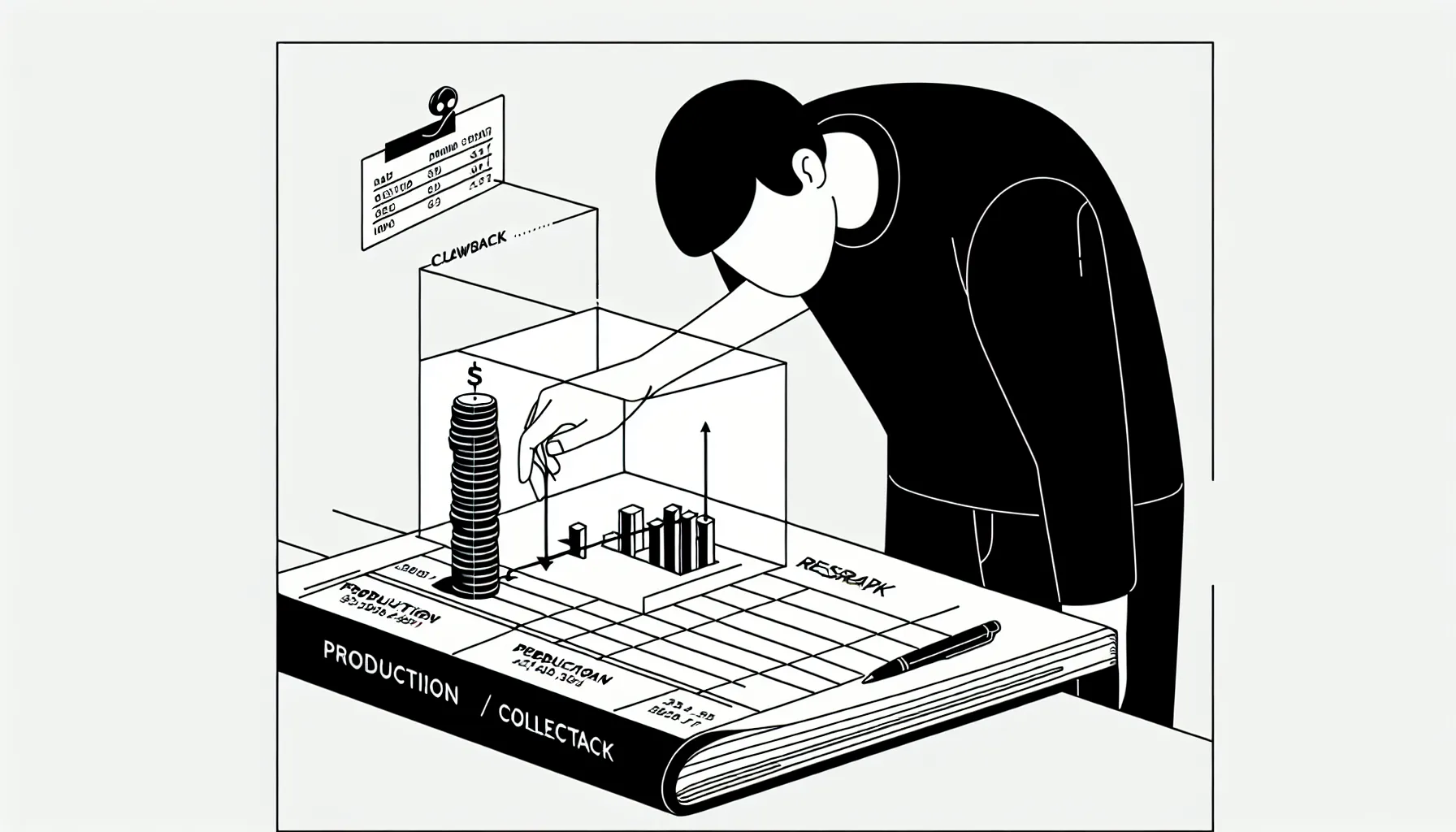
Production Versus Collections Models
A key distinction that affects post‑termination math is whether compensation ties to production (procedures performed) or collections (money received). Production models generate a paycheck faster but often include later adjustments when insurance denials, refunds, or patient credits occur. Collections models delay payment but reduce the likelihood of a post‑employment clawback.
We see variations and hybrid structures: a base salary plus a percentage of production, reconciled monthly against collections. If the reconciliation process isn’t documented, how and when the employer reclaims overpayments, associates can be surprised by retroactive adjustments after they leave.
Holdback Accounts, Reserves, And Payout Timing
Many practices use holdback or reserve accounts to cover future refunds, lab bills, or uncollected production. Typical language authorizes the employer to retain a percentage of an associate’s production in a reserve for a defined period. Problems occur when the reserve percentage, release timing, or allowable offsets are loosely defined.
We frequently encounter contracts that say: “Employer may withhold up to X% as a reserve for collections.” That wording gives the employer broad discretion. When an associate departs during the reserve period, the employer typically offsets outstanding obligations (advances, fees, refunds) against the held funds, sometimes resulting in a balance owed by the associate if the held amount is insufficient.
For associates, the practical implication is simple: ask (or later request) a clear accounting of how production moved to collections, what was retained in reserve, and how any final reconciliation was performed.
Scenarios That Trigger Repayment After Termination
Early Departure And Guaranteed Periods
Leaving before an agreed guaranteed period ends is the most straightforward trigger. Signing bonuses, relocation expenses, or guaranteed minimum salaries commonly come with a time‑based obligation. If an associate departs early, the contract usually allows the employer to recover unearned amounts.
A nuance we see often: employers sometimes count partial months as full months for repayment math, or they treat termination for certain reasons as non‑qualifying for pro‑rata treatment. That’s why the exact wording about “days employed” or “calendar months” matters.
Allegations Of Patient Poaching, Breach, Or Damages
Less routine, but more contentious, are repayment demands tied to alleged breaches: patient poaching, violation of restrictive covenants, or costs associated with remake work. Employers sometimes assert that a departing associate caused losses (lost revenue, refunds, or reputational harm) and seek to offset those losses against final compensation.
These claims can be subjective and are often disputed. We commonly see employers use vague contract language to justify withholding or invoicing for alleged damages. When allegations arise, the accounting backing the recovery demand is critical: associates are entitled to clear itemized explanations showing how the employer calculated the asserted amount.
What To Do If You’re Told You Owe Money
Steps To Audit Your Pay And Request Documentation
If you’re told you owe money, the pragmatic first step is to ask for documentation. Request an itemized accounting that shows: the earnings paid, the basis for any advance or bonus, the reserve/holdback calculations, and specific deductions (lab invoices, refunds, etc.). In many cases the documentation clarifies simple errors or timing differences.
We advise keeping the tone factual and focused on records. Employers often respond faster and more clearly when asked for receipts, dates, and calculations rather than emotional protest. Your goal is to understand the numbers and the contractual basis for the demand, not to litigate immediately.
Negotiation, Repayment Plans, And Escalation Strategies
Once you have documentation you can assess whether the employer’s calculations match the contract terms. If the demand appears valid but unaffordable, practices often accept structured repayment plans rather than immediate collection. We see employers prefer payroll offsets or monthly installments instead of outside collection efforts.
If the accounting is unclear or the employer’s position relies on ambiguous contract language, escalation options include an internal review, engaging a contract review attorney, or, where appropriate, mediation. Remember: many of these disputes are resolved with clarification or compromise rather than litigation.
How To Protect Yourself Before You Sign Or Leave
Key Contract Clauses To Watch And Negotiate
Before signing, or before you hand in notice, pay attention to: clawback language (triggers and math), definition of bonus versus advance, production versus collections reconciliation rules, reserve/holdback percentages and timing, and a clear list of chargeable expenses (labs, supplies, remakes). Also look for definitions of termination events and whether repayment obligations differ for resignation versus termination without cause.
It’s common practice for us to flag vague phrases like “employer may recoup” or “at employer’s discretion.” Those give the practice broad power to interpret events in a way that can create post‑employment debt.
Practical Checklist Before Resignation
- Request a final accounting date and ask how collections after your departure will be handled.
- Ask whether any reserves or holdbacks will remain and for how long.
- Confirm in writing whether any signing/retention bonus repayment will be pro‑rata.
- Request itemized invoices for any potential chargebacks (lab bills, refunds).
A short, documented pre‑departure exchange can prevent many later surprises because it sets expectations and creates a paper trail if disagreements follow.
(For more on typical contract clauses and how we review them, see our resource page on associate contract reviews.)
When To Seek Legal Or Professional Help
Cost‑Benefit Considerations And Choosing The Right Advisor
Not every repayment demand justifies hiring counsel. If the amount is small and the employer’s accounting is clear, a repayment plan or clarification may be the most efficient path. When the demand is large, the employer’s calculations are opaque, or the claim rests on disputed contract language (for example, alleged breach of a covenant or an ownership buy‑in promise), it’s time to consider professional help.
Choosing the right advisor matters. For contract interpretation and negotiation about post‑employment obligations, a lawyer experienced in dental associate agreements can quickly identify whether the employer’s position aligns with common practice and the written contract. For accounting disputes about collections and holdbacks, a forensic accountant or an advisor with dental payroll experience can be useful.
We generally recommend a staged approach: request documentation, attempt clarification, and then consult a contract review attorney if major liabilities or ambiguous clauses remain. For information on how our team reviews these issues and what we focus on, see our service page for contract review and representation.
Conclusion
Post‑employment repayment demands are usually the product of several ordinary contract mechanisms interacting: guarantees with clawbacks, production/collection reconciliation, reserves, and permissible chargebacks. They most often catch associates off guard when the agreement’s mechanics aren’t explained or when payroll practice fills gaps left by vague contract language.
Key Takeaways:
- Repayment demands commonly stem from signing/retention bonuses with clawbacks, advances, and production‑to‑collection reconciliations.
- Holdbacks, reserves, and loosely defined chargeback language give employers discretion that can create post‑departure balances.
- Ask for an itemized accounting and any supporting invoices as the first response: documentation often resolves misunderstandings.
- Small, clear debts are often handled through repayment plans: large or ambiguous claims may warrant a contract review by counsel.
We review these patterns daily when evaluating associate contracts, our focus is to explain why the balance was calculated and whether the employer’s position walks in step with common practice. If you want a formal contract review or help interpreting an employer’s accounting, our contract review service explains these mechanics in your specific agreement and across regional norms.