
A sudden adjustment to a dental associate’s weekly schedule—an extra day, different hours, or a temporary location assignment—often begins as a minor operational request. Many changes are genuinely short-term, such as covering a provider’s leave, responding to a staffing gap, or accommodating an unexpected increase in patient demand. Problems arise when the arrangement has no documented end date and gradually becomes the practice’s new expectation.
Once a temporary schedule becomes routine, the consequences can extend beyond inconvenience. Associates may experience reduced income, disrupted childcare, longer travel, diminished patient continuity, or conflicts with compensation guarantees, productivity thresholds, restrictive covenants, and ownership timelines. A different schedule can also alter which patients an associate sees, where collections are credited, and whether the original economic assumptions behind the agreement remain realistic.
This article explains why temporary dental schedule changes become permanent, which warning signs suggest that a practice is institutionalizing the change, and what contract language deserves attention. It also outlines practical steps for documenting the arrangement, addressing its financial impact, and seeking a written amendment. Chelle Law reviews dental agreements to identify how schedule, location, compensation, termination, and post-employment provisions interact before an informal request creates lasting obligations.
Key Takeaways for Dental Associates
- Temporary schedule changes are more likely to become permanent when they are not time-boxed or documented. Confirm the new days, hours, location, reason, and expected duration in writing.
- Compensation adjustments, updated policies, recurring scheduling templates, and staffing decisions can signal that a supposedly temporary arrangement is being institutionalized.
- Review clauses governing schedule and location changes, notice requirements, compensation guarantees, productivity formulas, and written amendments.
- Defined review dates, automatic expiration provisions, and written compensation terms can protect against open-ended commitments.
- If the change contradicts the signed agreement, reduces pay retroactively, or activates repayment or restrictive covenant provisions, consider obtaining professional contract guidance.
Why Temporary Dental Schedules Become the New Normal
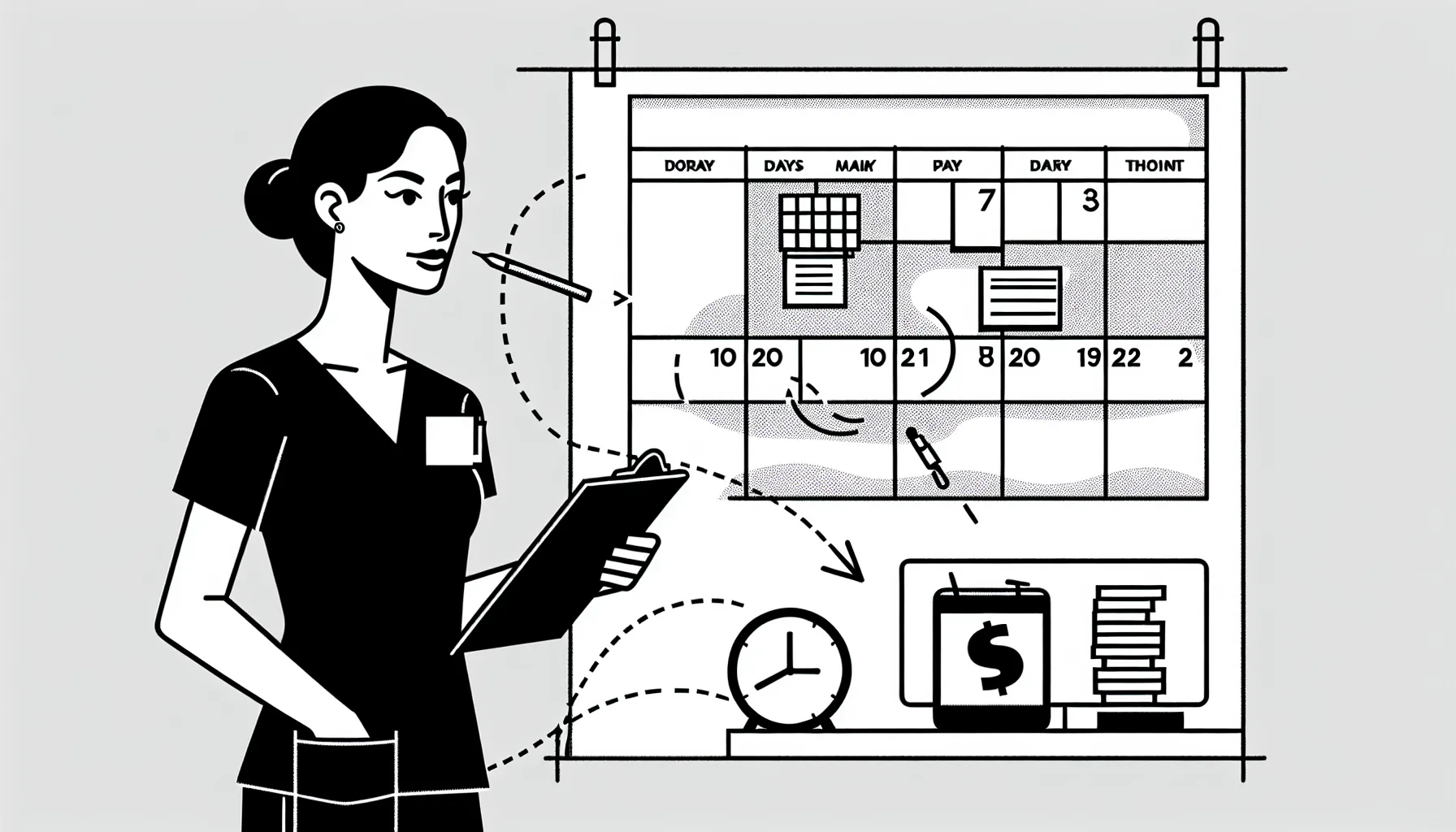
Staffing Shortages and Patient Demand Create Operational Momentum
Practices commonly describe schedule changes as responses to short-term business needs: a provider on leave, a sudden local health event, an influx of new patients after community outreach, or a temporary staffing gap. Those reasons may be legitimate, and the change may end when the stated cause resolves. The risk appears when the practice starts treating the temporary arrangement as an opportunity to realign staffing permanently.
When a practice is stretched thin, managers prioritize continuity of care and filling appointment slots. Flexible associates quickly pick up extra days or shifted hours, often receiving praise but no formal amendment. Over time, the associate’s availability becomes the de facto expectation, making reversal politically and operationally difficult. Front-desk staff, billing personnel, and clinical assistants also adapt to the new pattern, so returning to the original schedule becomes increasingly disruptive.
Administrative shortcuts can accelerate that process. Folding an associate into a different rotation instead of preserving the original schedule in the practice management system creates an operational record that may eventually be treated as authoritative. Associates should compare these evolving expectations with the agreement’s description of dental associate schedules and duties.
Production Targets and Cost Pressures Reinforce the Change
DSOs and independent practices alike may adjust schedules to pursue utilization and revenue targets. Moving an associate to busier days or consolidating hours at a higher-volume location can be characterized as an efficiency measure, but it may also increase production expectations. Employers sometimes reduce guaranteed pay, change bonus targets, or shift allocations for lab fees and supplies at the same time, effectively treating the new schedule as the baseline for compensation calculations.
Once the practice has changed patient assignments, hired support staff, or reorganized assistant coverage around the revised hours, reversal becomes more costly. The informal practice reality can then diverge from the written agreement even though the contract was never updated. That disconnect is one reason schedule changes should be evaluated alongside a focused review of dental associate compensation terms.
Warning Signs That a Schedule Change Is Becoming Permanent
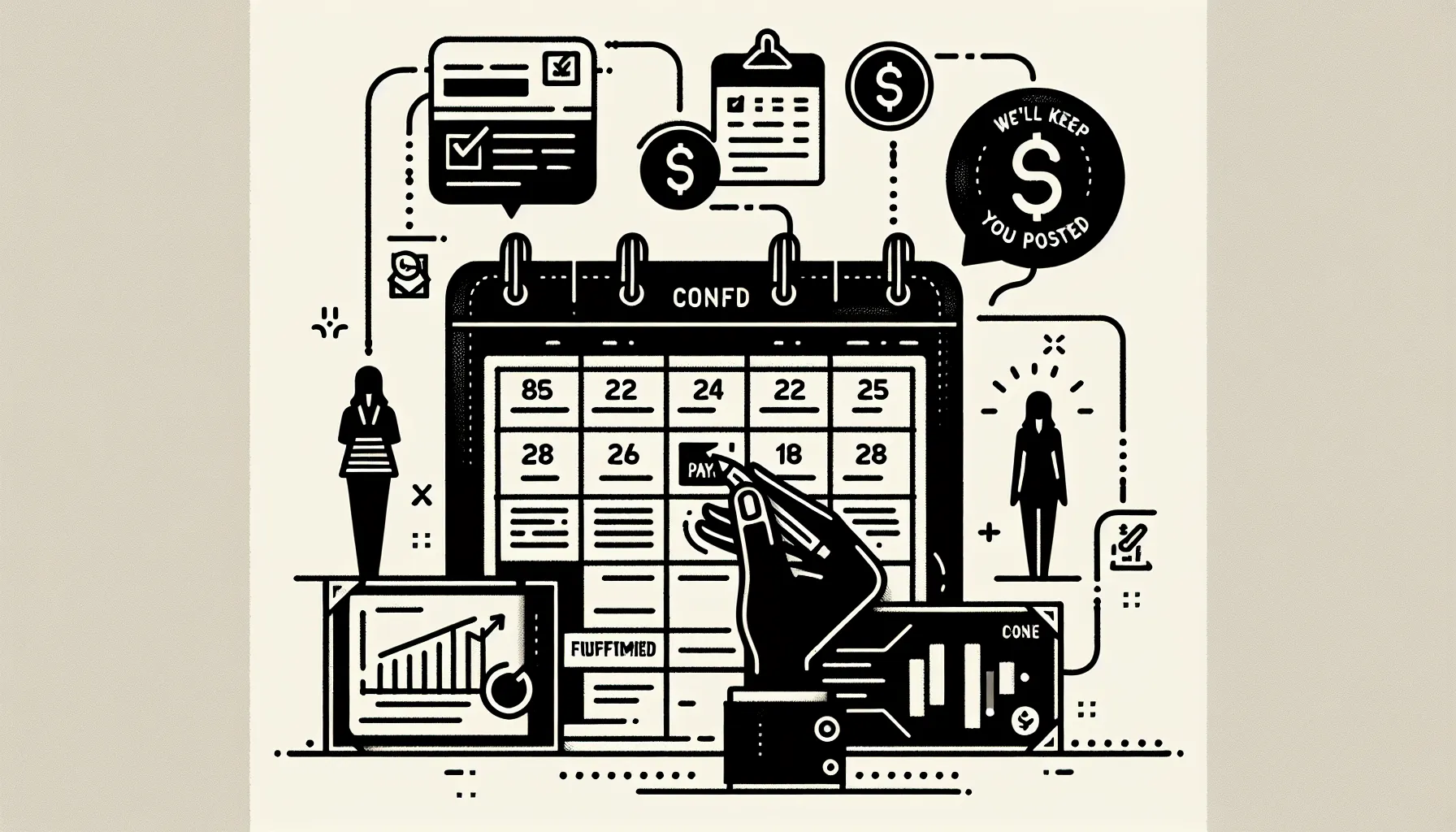
Pay attention to language that avoids a firm end date. Phrases such as “we’ll keep you posted,” “this is the new normal for now,” or repeated scheduling without a defined review date shift the arrangement from a specific temporary need toward an indefinite commitment. If managers discuss the schedule as settled during team meetings or use it when planning future staffing, the change is moving from ad hoc coverage to institutional practice.
Compensation activity is another strong indicator. Incentive formulas may be adjusted to reflect the new hours, guarantees may be shortened, or clawback provisions may be applied after a billing reconciliation connected to the revised schedule. Even small recurring deductions, a different production split, or new allocations for lab fees and supplies can reveal long-term intent. Associates should understand both the stated formula and the underlying productivity rules affecting dental pay.
Internal policy and staffing changes can further cement the arrangement. When the employer updates rostering templates, job descriptions, or written policies to include the new hours, the schedule is unlikely to remain temporary. Hiring part-time clinicians, changing assistant allocations, or moving patient blocks to support the associate’s modified hours are investments that make reversal more difficult for the practice.
Contract Terms That Control Schedule and Pay Changes
Written Agreements, Offer Letters, and Practice Policies
Employment agreements, offer letters, handbooks, and oral assurances can interact in complicated ways. Many dental agreements use broad schedule language or reserve the employer’s right to modify hours, assignments, or locations. That flexibility may allow a practice to implement a temporary change without immediately signing an amendment. At the same time, an offer letter naming particular days or consistent written assurances from ownership may create important practical expectations.
A contract review should identify which documents control when terms conflict. The signed agreement, written amendments, incorporated policies, and formal manuals generally deserve particular attention. Oral statements may help explain the parties’ understanding, but relying on a verbal promise about duration or compensation leaves more room for disagreement. Reviewing the complete set of documents is therefore more useful than examining the schedule clause in isolation.
Modification, Notice, Compensation, and Termination Provisions
When a schedule change is proposed, examine the employer’s authority to change hours, duties, and work locations; any required notice period; the duration of salary or daily guarantees; and the method for calculating bonuses, production, or collections. Call duties, weekend obligations, and coverage expectations may also matter. The modification clause should explain whether material changes require a writing signed by both parties or whether management claims authority to change certain terms through policy.
Termination and repayment language becomes important if the associate cannot accept the permanent arrangement. Leaving may trigger notice obligations, bonus repayment, relocation reimbursement, buy-in consequences, or allegations of breach. The agreement should be read alongside the practical issues addressed in the guide to dental associate contract termination.
Location changes can also affect post-employment restrictions. A newly assigned office may alter the geographic reach or practical burden of a restrictive covenant, depending on how the contract defines the restricted area. Before accepting recurring work at another location, associates should evaluate the agreement’s location language and obtain a dentist non-compete review when the change could expand post-employment obligations.
What to Do When a Dental Schedule Changes
Document the Temporary Arrangement and Its Financial Effect
Start by putting the facts in writing. After a verbal discussion, send a concise email confirming the new days, hours, locations, person requesting the change, stated reason, expected duration, and any promises concerning compensation. A contemporaneous email provides a clearer record if the parties later disagree about whether the arrangement was temporary.
Ask for a defined review date and written confirmation of any compensation consequences. Temporary coverage plans, day trades, and cross-coverage arrangements can help the practice without creating an open-ended commitment. The tone can remain collaborative: practices are often more willing to recognize a change as temporary when the parties establish a specific date to reassess it.
Track how the schedule affects production, collections, guarantees, deductions, commuting expenses, and time away from work. Compare take-home pay under the original and revised schedules, including differences in patient volume and overhead allocations. This analysis provides a factual basis for discussing whether the existing compensation formula remains fair.
Seek an Amendment, Escalate the Issue, or Plan a Transition
If the new schedule continues, request a written amendment addressing hours, locations, duration, and compensation. More or different hours may justify revised guarantees or productivity thresholds. A defined evaluation period, such as a mutually selected review window, can prevent the revised arrangement from becoming an indefinite expectation without further discussion.
Internal escalation may be appropriate when the practice refuses to confirm the duration, adjusts compensation retroactively, or disregards a schedule, guarantee, or pay rate stated in the signed contract. If the change activates repayment obligations, restrictive covenants, or other material risks, professional review can clarify the associate’s contractual position and whether a narrow amendment could resolve the disconnect.
If the permanent schedule is untenable and the associate decides to leave, timing and notice should be considered carefully. Reasonable notice and transition assistance may preserve professional relationships and reduce disputes over alleged breach. Before resigning, review how termination affects unpaid compensation, bonus reconciliation, non-compete obligations, and repayment provisions connected to signing incentives or an anticipated buy-in.
Preventing Unwanted Schedule Changes in Future Agreements
Future agreements can define the procedure for changing schedules rather than leaving the issue entirely to operational discretion. Useful points for clarification include notice requirements, the associate’s regular workdays and locations, limits on additional coverage, a review period for temporary changes, and the effect of materially different hours on compensation. A clause requiring signed written amendments for material changes can reduce the gap between verbal requests and binding obligations.
Operational safeguards may include an automatic expiration date for temporary authorizations unless both parties sign an extension. Cross-coverage protocols and backup staffing plans can also prevent a short-term vacancy from depending indefinitely on one associate’s flexibility. The agreement should make clear whether additional locations or weekend coverage are occasional obligations or recurring parts of the position.
Consistent recordkeeping remains important after the agreement is signed. Confirm significant conversations by email, retain copies of published schedules, and track compensation changes associated with revised hours or locations. Regular check-ins tied to agreed review dates help preserve negotiating leverage and keep the written agreement aligned with the practice’s actual expectations. A comprehensive dentist employment contract review can identify these issues before the schedule becomes operational.
Frequently Asked Questions
Can a dental practice permanently change an associate’s schedule?
The answer depends on the employment agreement, incorporated policies, applicable law, and the nature of the change. Some contracts give the practice broad scheduling authority, while others identify specific days, hours, locations, or notice requirements. The complete agreement should be reviewed before assuming the practice or associate has an unrestricted right to impose or reject the change.
What should I confirm when agreeing to a temporary schedule?
Confirm the revised days, hours, work locations, reason for the change, start date, expected end date, review date, and compensation consequences. The confirmation should also address whether productivity targets, guarantees, lab fee deductions, call coverage, or other duties will change during the temporary period.
Does working a temporary schedule modify my dental contract?
Not necessarily. The contract’s amendment and modification provisions may require a signed writing, while other language may allow certain operational changes through policy or management direction. Continuing under a different schedule without clarification can nevertheless create practical expectations, so associates should document the temporary nature of the arrangement.
How can a schedule change affect production-based compensation?
Different days, locations, patient assignments, and support staffing can change an associate’s production or collections even when the percentage formula remains the same. A schedule change may also affect guarantees, bonus thresholds, lab fee allocations, and the timing of collections. Comparing compensation under the original and revised schedules can reveal whether an amendment is appropriate.
When should a dental associate escalate a schedule dispute?
Escalation may be appropriate when the practice refuses to identify an end date, retroactively reduces compensation, disregards a written schedule term, or makes a change that triggers repayment or restrictive covenant concerns. An internal discussion may resolve the issue, but professional contract review can help clarify risks and available options when material terms are affected.
What terms can help prevent temporary schedules from becoming permanent?
Helpful terms may include advance notice, a defined expiration or review date, limits on additional locations or coverage days, written compensation adjustments, and a requirement that material changes be documented in a signed amendment. The appropriate language depends on the position and the rest of the agreement.
Review a Dental Schedule Change Before It Becomes Permanent
Chelle Law can review how proposed hours, locations, compensation terms, termination provisions, and restrictive covenants interact in your dental employment agreement.
Contact Chelle LawExplore Dental Contract Guidance
Review legal services, practical resources, and state-specific information for dentists evaluating employment and business agreements.